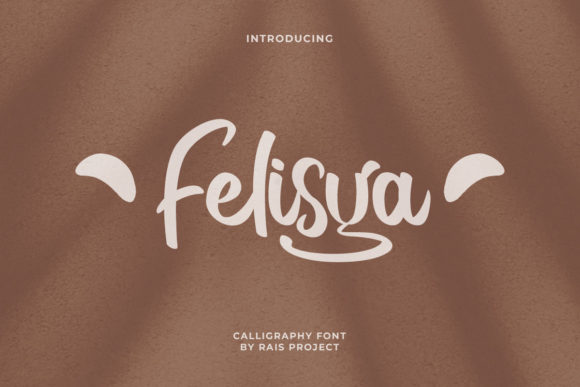
Felisya Script: A Handwritten Font for Elegant Branding Projects
I recently had the chance to test Felisya Script in a boutique branding project for a small artisanal skincare line. As a brand designer who’s always on the hunt for fonts that feel both authentic and adaptable, I was curious how this Script Handwritten typeface would hold up in real-world applications—from logos to packaging mockups and beyond. What I found was a font that exudes charm without sacrificing functionality, thanks to its PUA encoding and carefully crafted glyphs and swashes.
Felisya Script in Logo Design for a Skincare Brand
When I opened my first logo draft in Illustrator, I knew Felisya Script needed to be part of the conversation. Its delicate curves and soft serifs gave it an organic yet polished feel—perfect for a brand that wanted to convey natural beauty and handcrafted care. I paired it with a minimalist sans serif for contrast, which helped balance the elegance of Felisya Script with a modern, clean supporting text.
The subtle variations between characters made the name feel more personal and less mass-produced. That’s something you don’t often get from standard Fonts, even within the script category. However, I did notice that while Felisya Script is beautiful at larger sizes, using it in smaller formats like taglines or subheadings required careful spacing adjustments. It’s not ideal for dense body copy, but as a headline or logo anchor, it shines.
Using Felisya Script in Brand Boards and Social Media Layouts
Next, I moved into building a brand board in Canva, and here’s where Felisya Script really came alive. The personality of the Script Handwritten font added warmth and approachability, especially when used for taglines and signature elements. I compared it side by side with other similar Fonts, and Felisya stood out for its unique character set and ease of use thanks to PUA encoding.
On social media layouts, I used Felisya Script for Instagram post headers and promotional banners. Its sweet aesthetic worked well for lifestyle content and product announcements. The font didn’t scream “look at me,” but rather invited users to pause and take notice. That kind of subtlety is rare in Fonts, and it speaks volumes about its design quality.
Real-World Test: Felisya Script on Product Packaging Mockups
One of the most telling tests was placing Felisya Script on product labels and packaging mockups. I created a few versions of a jar label and printed them at scale. The font performed surprisingly well considering its ornate nature. The included swashes allowed for creative variations without feeling forced, and the overall look felt cohesive across different products in the lineup.
That said, I wouldn’t recommend using it for all text on a label. Too much of it can dilute the message. Instead, it worked best for the brand name and key selling phrases. For ingredient lists or instructions, I switched to a simpler sans serif. This is a classic example of how a decorative Font should be used selectively, not universally, in commercial design assets.
Felisya Script for Web Design and Website Headers
Web design is where many handwritten Fonts fall short—but Felisya Script surprised me. I tested it on a homepage hero section, and despite being a script style, it retained enough clarity to be legible at mid-sized headings. Of course, I used it sparingly, only for the main title and a call-to-action phrase.
Thanks to its Script Handwritten roots, it brought a human touch to the site, which was exactly what the client wanted for their audience of eco-conscious consumers. I also appreciated the flexibility of accessing alternate glyphs through the PUA encoding system—it let me fine-tune each letterform for visual harmony without relying on OpenType features that aren’t always supported across platforms.
How Felisya Script Fits Into a Brand Identity System
Incorporating Felisya Script into a full brand identity system requires thoughtful planning. I used it as the primary display Font in print and digital materials, reserving it for headlines, brand names, and signature elements. To maintain consistency, I limited the use of swashes and alternates to just a few key letters, creating a recognizable pattern that tied everything together.
Its versatility meant it could adapt to different brand moods. In one version, I leaned into the romantic, whimsical side of Felisya Script for a seasonal promotion; in another, I stripped back the extras to keep the tone professional and refined. This dual capability makes it an excellent choice for designers working with clients who want a warm but credible brand voice.
Practical Tips for Using Felisya Script in Client Work
- Test it in context: Always place Felisya Script in realistic scenarios before finalizing designs. Try it on a business card layout or website header to see how it performs under pressure.
- Use it smartly: This Font works best in short bursts—logo names, taglines, quotes, and headlines. Avoid long paragraphs or small body text where readability drops.
- Pair it with restraint: When pairing Felisya Script with a serif or sans serif Font, aim for a clear hierarchy. Let the script do the emotional work, and the supporting Font handle the information delivery.
- Check licensing: Before applying Felisya Script to any commercial project—whether it’s a client’s packaging, a web design, or a print-on-demand product—make sure you’ve reviewed the font’s licensing terms. Many script Fonts have restrictions around usage in merchandise or templates.
Felisya Script Alternates and Glyph Coverage
What I loved most about Felisya Script was the depth of its character options. With multiple ligatures and swashes available, it felt like I had a mini collection of styles within a single Font. The PUA encoding made accessing these alternates straightforward—even in basic design software like Photoshop or Word.
This level of detail is important when building a strong brand identity. The ability to customize individual letters gives your design more personality and helps differentiate your work from stock template looks. Whether you’re designing a handmade shop identity or a bakery’s signage, having control over glyph shapes can make a big difference in perceived authenticity.
When Not to Use Felisya Script
While Felisya Script is incredibly versatile, it’s not a one-size-fits-all solution. Here are a few situations where it might not be the best fit:
- Corporate branding: If the brand needs to appear formal or technical, a more structured Font will likely serve better.
- Long-form text: Reading large blocks of text in Felisya Script can be tiring due to the fluid nature of the strokes and the lack of uniformity in character width.
- Small sizes: Like most script Fonts, Felisya loses some of its charm and becomes harder to read when scaled down too much.
Still, for the right projects—especially those leaning into lifestyle, fashion, food, or wellness—this Font is a dream to work with.
Final Thoughts on Felisya Script as a Creative Font Tool
If you're looking for a Script Handwritten Font that brings a touch of delicacy and sweetness to your design work, Felisya Script is worth every minute you spend testing it. I walked away from the project with a stronger sense of how it can elevate the mood of a brand board, logo draft, or packaging layout.
As a premium Font, it doesn’t compromise on quality. Each stroke feels intentional, and the overall design supports a wide range of aesthetics—whimsical, elegant, or minimal. Just remember to treat it like the display Font it is, and pair it with complementary styles to build a balanced brand identity system.
For freelancers, small business owners, and creative studios working on niche brands, Felisya Script offers a fresh take on the traditional handwritten Font genre. It’s not just another pretty Font; it’s a tool that can help shape how your audience perceives a brand’s story and values.